In a January 2016 San Diego Union-Tribune article, radiation oncologist Dr. Siavash Jabbari described advances intended to make radiation therapy more precise and less disruptive to daily life. His central message was that treating a tumor and protecting nearby healthy tissue are connected goals.
This is a patient-oriented review of the original article, not an update establishing which equipment or techniques are currently available at XRO. Treatment selection, side effects and the number of visits remain individual decisions.
Protecting nearby organs
The article highlighted breathing control during breast radiation. It described monitoring a patient's breathing and coordinating radiation delivery with an appropriate phase of the breathing cycle. The purpose was to create greater separation between the treatment area and critical structures such as the heart, reducing their exposure.
For a patient, the important takeaway is not that everyone needs the same breathing technique. It is that the relationship between the tumor and nearby organs is part of planning. A useful question is: “How will my plan limit radiation to healthy tissue, and will breathing or positioning affect that plan?”
Precision includes checks and positioning
The report also discussed faster, more precise external-beam treatment, along with checks of patient identity, treatment site and the prescribed protocol. Shorter delivery times may make it easier to remain in position, but speed alone does not determine the quality of care.
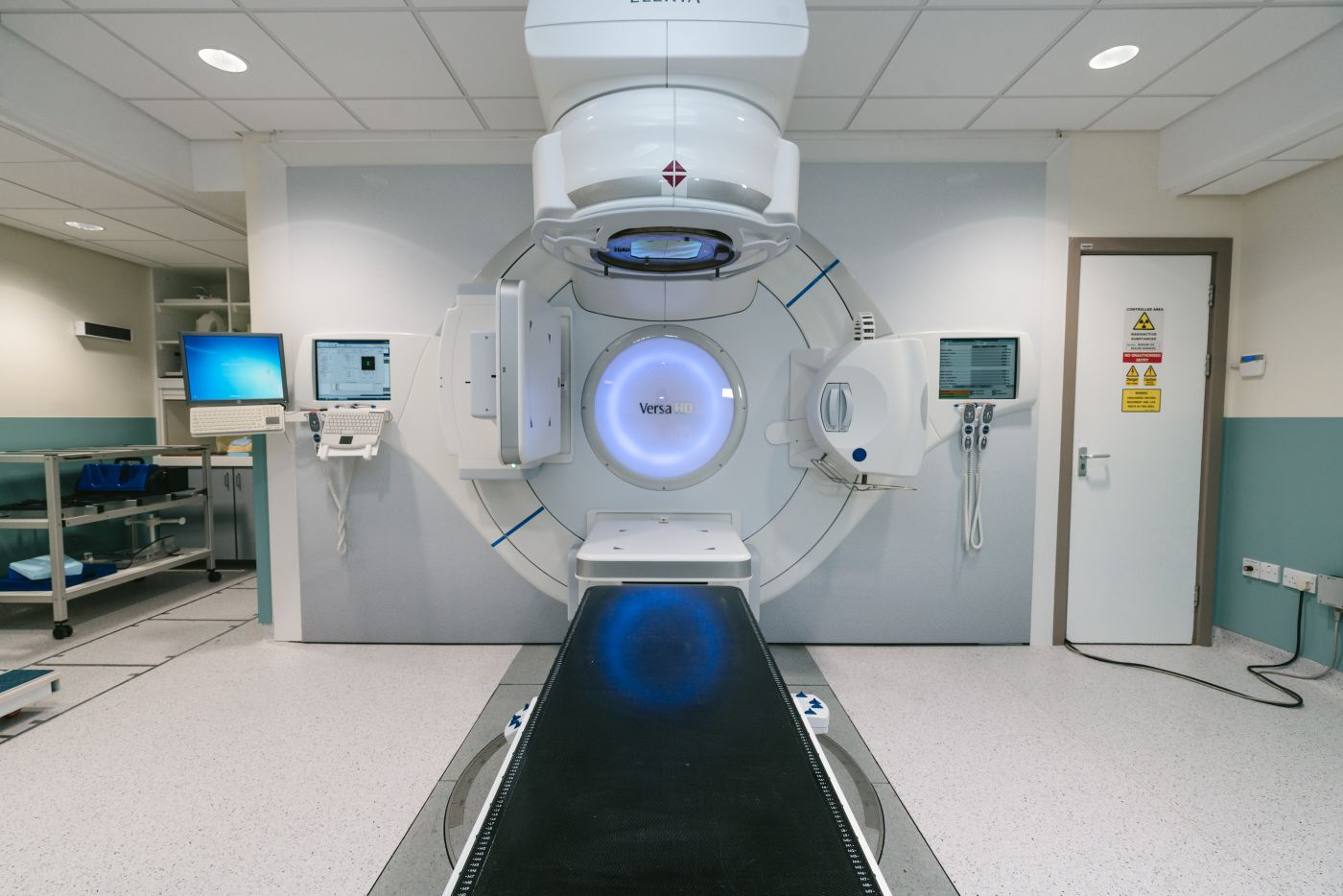
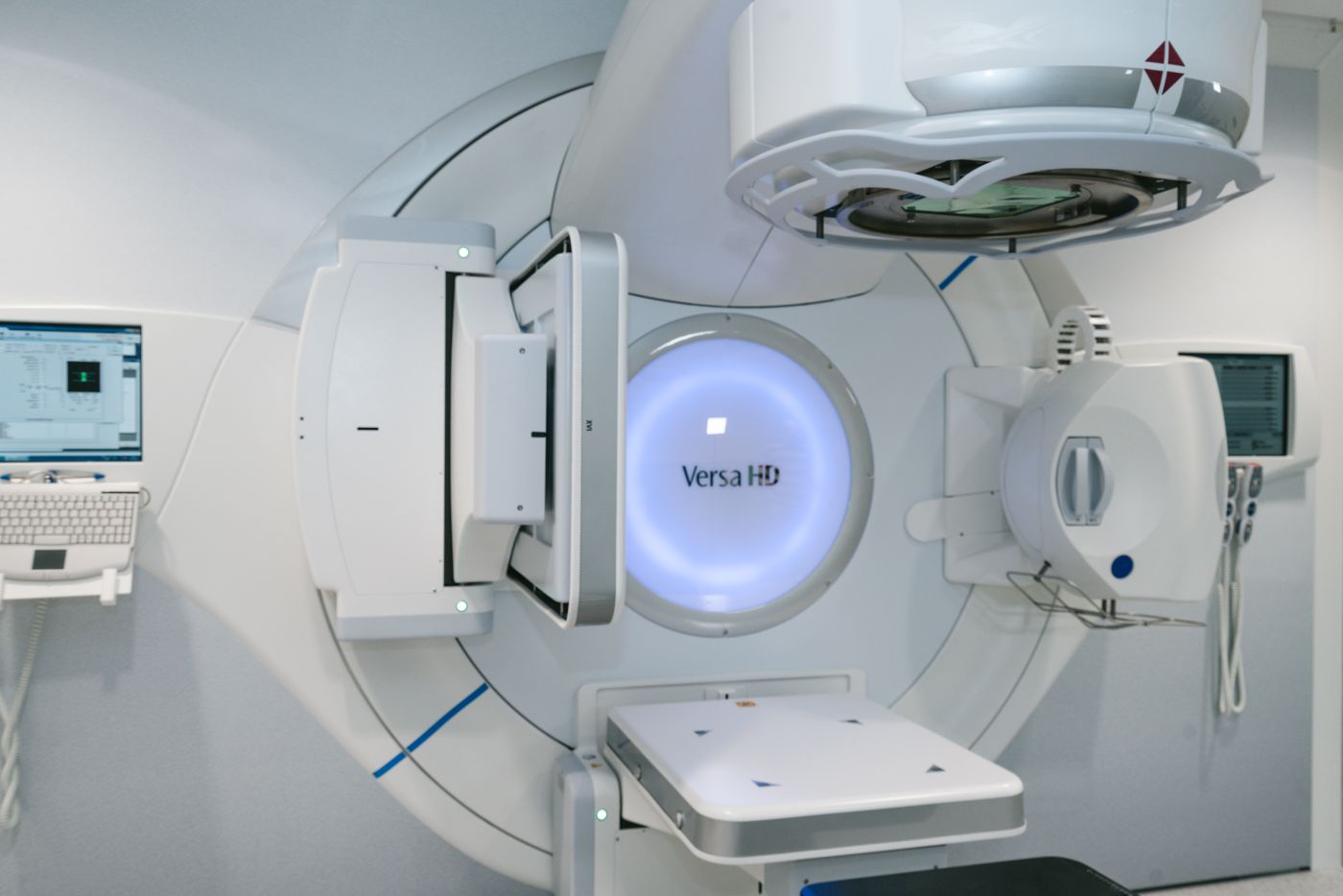
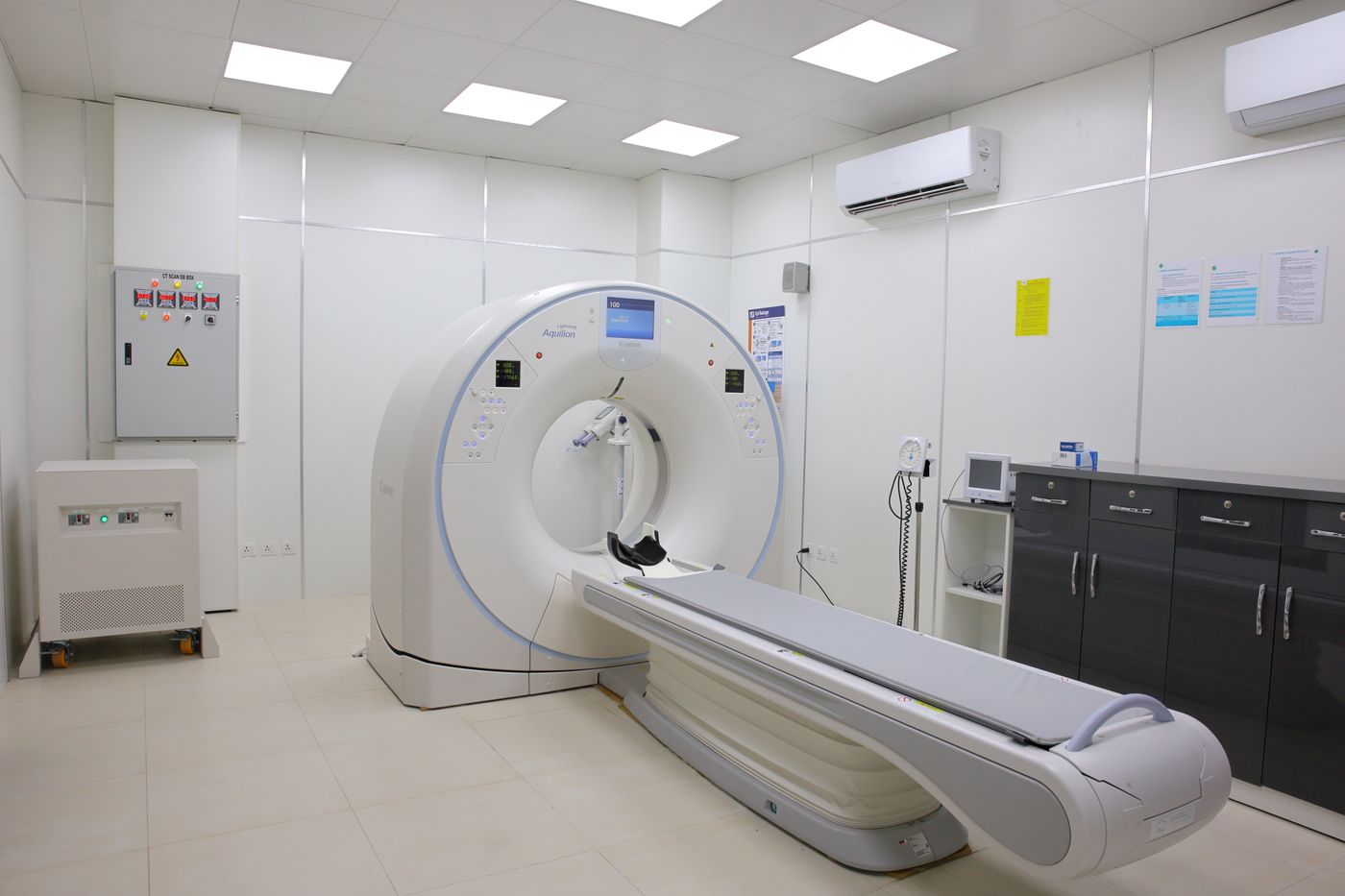
A linear accelerator delivers radiation from outside the body. The photograph accompanying this review shows a TrueBeam unit as an example of that equipment category; it does not establish the machine used for any particular patient's treatment. Patients can ask how their position will be checked and what to do if staying still is difficult or uncomfortable.
Where brachytherapy fits
The article also described brachytherapy, which places radiation sources within or close to the treatment area. It discussed its use in selected breast and gynecologic cancers, among other indications, and the potential for shorter courses in appropriate circumstances.
Those statements should not be turned into a promise of treatment in a few days or of negligible risk. Whether brachytherapy is suitable depends on the diagnosis, anatomy and overall plan. External-beam therapy and brachytherapy can serve different purposes; a consultation should explain why one, both, or another approach is recommended.
What this means for a consultation
The story's enduring value is its focus on the balance between cancer control and quality of life. Ask about the goal of treatment, nearby organs, expected side effects and how the schedule fits your situation. The article's historical national statistics and broad claims are not used here as current outcome predictions.
Photo: Michael Goodyear / Wikimedia Commons, CC BY-SA 4.0. Illustrative TrueBeam equipment, not a verified XRO location. Used without modification.